Blood Glucose Levels Explained: Understanding Common Ranges

Understanding your blood sugar gives you powerful information about your health. Your body maintains glucose levels through complex systems that respond to what you eat, how you move, and even how you sleep. Whether you are curious about what a healthy blood sugar level is, managing prediabetes, or simply want to better understand your body, knowing the numbers helps you make informed choices. This article explains common blood glucose ranges and the factors that influence them throughout your day.
What Are Blood Glucose Levels?
Your blood carries glucose to every cell in your body, providing the fuel your brain and muscles need to function.
Understanding Blood Glucose
Blood glucose refers to the concentration of sugar circulating in your bloodstream at any given time. This glucose comes primarily from the carbohydrates you eat, such as bread, fruit, milk, and other foods containing starches and sugars.
Your body breaks down these carbohydrates into glucose, which enters your bloodstream and serves as your body's main energy source. Insulin, a hormone produced by your pancreas, helps glucose move from your blood into your cells.
Why Blood Glucose Levels Matter
Your body works constantly to keep glucose levels balanced within a specific range. When blood glucose stays within normal ranges, you maintain steady energy and support overall health. Levels that run consistently high or drop too low can signal underlying health concerns that deserve medical evaluation. Extremely high readings may indicate prediabetes or diabetes, while very low readings need immediate attention to prevent symptoms like shakiness and confusion.
Common Blood Glucose Ranges
Understanding healthy blood glucose levels helps you interpret your numbers and recognize when patterns warrant attention.
Typical Fasting Blood Glucose Levels
Fasting blood glucose measures your blood sugar after you have not eaten for at least eight hours, usually checked first thing in the morning.
- In adults without diabetes, fasting levels typically range from 70 to 99 mg/dL.
- Fasting levels between 100 and 125 mg/dL indicate prediabetes, while levels at or above 126 mg/dL suggest diabetes and warrant confirmation through additional testing.
- These standardized thresholds help healthcare providers assess your risk and recommend appropriate next steps.
Blood Glucose Levels After Eating
Blood sugar naturally rises after you eat as your digestive system breaks down food into glucose.
Research using continuous glucose monitors shows that in healthy adults without diabetes, the reading stays around 100mg/dL throughout the day.
Most readings remain between 70 and 140 mg/dL about 96% of the time, with brief peaks above 140 mg/dL occurring roughly 2% of the day, typically after meals. These temporary rises are normal and usually return to the baseline range within a few hours.
Daily Blood Glucose Fluctuations
Your blood sugar moves up and down throughout the day in response to meals, activity, and your body's natural rhythms. Even in people without diabetes, glucose levels show predictable patterns, lower when fasting and higher after eating. The size and timing of these fluctuations depend on what and when you eat, how physically active you are, and factors like stress and sleep quality. Tracking these patterns helps you understand what influences your numbers and when changes might signal a need for medical evaluation.
Factors That Can Affect Blood Glucose Levels
Multiple daily factors influence how your blood sugar rises and falls, giving you opportunities to support healthy patterns.
Diet and Food Choices
The carbohydrates you eat have the most direct impact on your blood glucose. Foods rich in carbohydrates, such as bread, pasta, fruit, milk, and sweets, raise blood sugar more than proteins or fats do. The amount of carbohydrate and its quality matter.
Foods with fiber and minimal processing tend to produce steadier blood sugar responses than highly refined options. Choosing balanced meals with a variety of nutrients helps maintain more stable glucose levels throughout the day.
Physical Activity
Regular movement improves how your body uses glucose and responds to insulin. Both aerobic activities, like walking or swimming, and resistance training, like lifting weights, enhance your body's insulin sensitivity, meaning your cells can take up glucose more efficiently.
Even brief activity breaks during the day can reduce post-meal blood sugar spikes. You do not need intense workouts to see benefits. Consistent, moderate activity supports healthy glucose patterns over time.
Stress and Sleep
Your body's response to stress involves hormones that can raise blood glucose levels, and acute illness or significant emotional stress may temporarily push them higher. Sleep plays an equally important role. When you do not get enough sleep or your sleep schedule is irregular, your body becomes less sensitive to insulin and has trouble regulating blood glucose. Prioritizing adequate, regular sleep supports your body's natural glucose regulation.
Why Understanding Blood Glucose Ranges Is Important
Knowing what numbers mean helps you recognize patterns and take action when needed.
Recognizing Patterns in Blood Sugar
When you check your blood sugar, whether occasionally or regularly, the numbers tell a story about how your body responds to food, activity, and other factors. Tracking readings over time reveals patterns that might not be obvious from a single measurement. Individual responses vary based on your unique physiology, medications, and health conditions.
Consistently elevated readings or frequent low values deserve discussion with your healthcare provider, who can help determine whether these patterns signal prediabetes, diabetes, or another condition requiring treatment.
Supporting Long-Term Health
Understanding optimal blood glucose levels gives you the knowledge to make informed lifestyle choices. When you see how different foods affect your numbers or notice that morning walks keep levels steadier, you gain practical tools for daily health management.
Abnormally high glucose over time can affect your eyes, kidneys, nerves, and heart, making awareness and action important for preventing complications of diabetes. Your healthcare team can help interpret your specific readings and recommend personalized targets based on your age, health conditions, and individual needs.
Tips for Maintaining Balanced Blood Glucose Levels
Daily habits create the foundation for healthy glucose patterns you can sustain over time.
Healthy Lifestyle Habits
Building balanced nutrition around whole foods with adequate fiber supports steadier blood sugar throughout the day. Include vegetables, whole grains, lean proteins, and healthy fats in your meals rather than relying heavily on refined carbohydrates.
Stay physically active most days of the week, combining aerobic movement with strength training when possible. Maintain consistent sleep patterns, aiming for seven to nine hours nightly, and find healthy ways to manage stress through activities you enjoy.
Monitoring Blood Sugar When Recommended
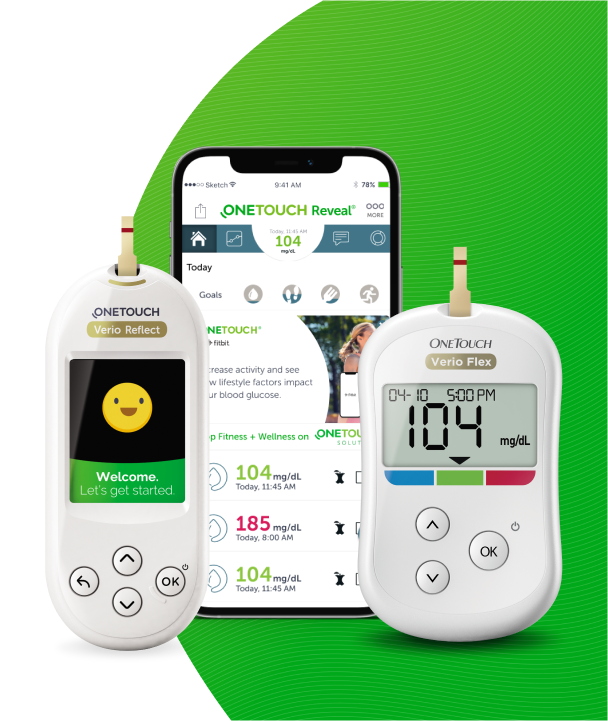
If your healthcare provider recommends checking your blood sugar, use a reliable glucose meter and follow proper testing techniques for accurate results.
- Check at the times your provider suggests, often including fasting measurements and readings before or after meals.
- Keep a log of your numbers along with notes about what you ate, your activity level, and how you felt. This information helps you and your healthcare team spot patterns and adjust your approach as needed.
When you understand your glucose trends, you can make confident choices that support your health goals.
Conclusion: Understanding Blood Glucose Levels
Blood glucose levels naturally fluctuate throughout the day in response to meals, physical activity, stress, and sleep.
Readings consistently above 100 mg/dL when fasting or above 140 mg/dL two hours after eating may indicate prediabetes and warrant medical evaluation. The factors within your control—balanced nutrition, regular physical activity, and adequate sleep—significantly influence your glucose patterns.
Understanding these common ranges empowers you to recognize what your numbers mean and when to seek guidance from your healthcare provider.
Frequently Asked Questions
What are blood glucose levels?
Blood glucose levels measure the concentration of sugar in your bloodstream. Healthcare providers assess these levels through laboratory blood tests, fingerstick meters, or continuous glucose monitors to screen for prediabetes and diabetes.
What are typical blood glucose ranges throughout the day?
For adults without diabetes, fasting levels typically range from 70 to 99 mg/dL. Throughout the day, average readings hover around 100 mg/dL, and briefly rises after meals.
What factors influence blood glucose levels?
Carbohydrate intake most directly affects blood sugar. Physical activity improves insulin sensitivity, while stress and illness can raise blood glucose levels. Sleep deficiency reduces your body's ability to manage glucose effectively.
Why is it important to understand blood glucose ranges?
Knowing normal ranges helps you recognize patterns that might indicate prediabetes or diabetes. Consistently elevated or low readings warrant medical evaluation. Understanding your numbers supports informed lifestyle choices and early intervention when needed.
How can lifestyle habits affect blood sugar levels?
Balanced meals with adequate fiber and whole foods help maintain steadier blood glucose levels. Regular physical activity enhances insulin sensitivity and improves glucose management. Consistent, adequate sleep helps your body regulate blood sugar effectively.
References
- https://medlineplus.gov/bloodglucose.html
- https://www.cdc.gov/diabetes/diabetes-testing/index.html
- https://www.ucsfhealth.org/care/medical-tests/blood-sugar-test
- https://www.niddk.nih.gov/health-information/professionals/clinical-tools-patient-management/diabetes/diabetes-prediabetes
- https://pmc.ncbi.nlm.nih.gov/articles/PMC2892065/
- https://pmc.ncbi.nlm.nih.gov/articles/PMC10725816/
- https://pmc.ncbi.nlm.nih.gov/articles/PMC12690188/
- https://www.niddk.nih.gov/health-information/professionals/diabetes-discoveries-practice/the-impact-of-poor-sleep-on-type-2-diabetes
- https://www.onetouch.com/about-diabetes/starting-your-journey/complications-of-diabetes
- https://pubmed.ncbi.nlm.nih.gov/31127824/
US-OTB-2600025