Diabetes travel tips
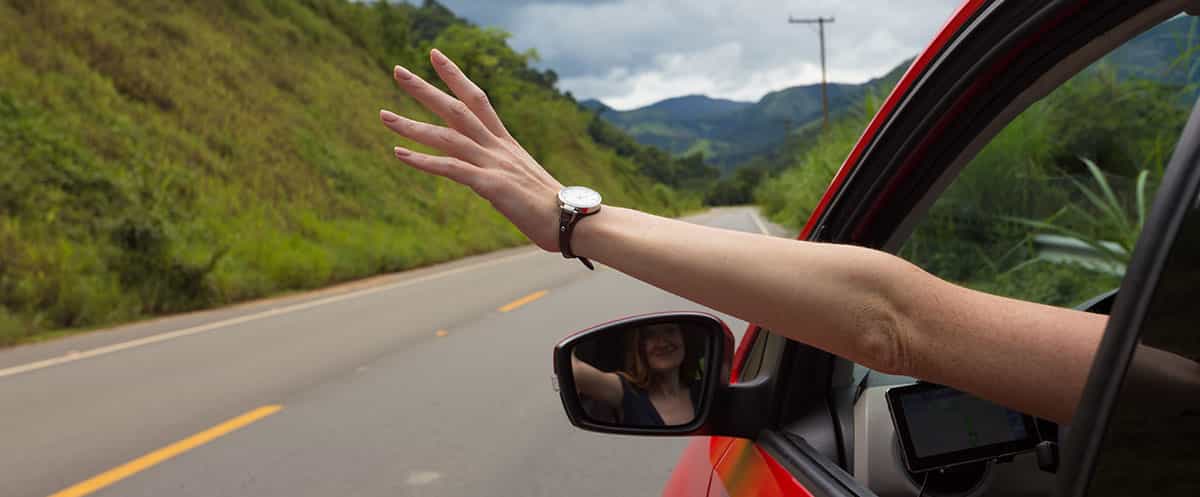
You are the central figure in your diabetes management, making daily decisions about food, activity, and medication that keep you healthy. When you travel, you maintain this leadership role while adapting to new routines, time zones, and environments. Your diabetes requires planning, but it doesn't limit where you can go or what you can experience. This article provides specific strategies to help you manage blood sugar safely during travel.
Why Planning Matters When Traveling With Diabetes
Want to get away? Managing diabetes while traveling doesn't have to be stressful. Proper planning before you leave can help you prepare for and safely enjoy your dream travel destination. Here are some travel tips:
Before traveling
- Visit your doctor for a checkup and ask them to provide prescriptions and vaccinations, as needed.
- Have your doctor write a note explaining that you have diabetes, with a list of medicines and devices you need to manage your diabetes. Keep this with you when traveling.
- Find out where you can get diabetes supplies, as well as locations of healthcare centers at your travel destination.
- Confirm you have insurance that will cover any illness during your trip. Consider getting travel insurance.
Packing for your trip
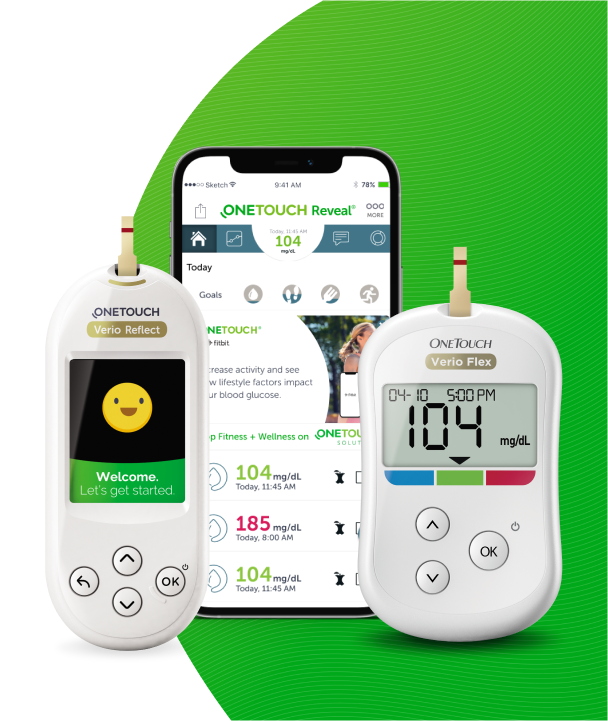
- Pack all your diabetes supplies in a carry-on bag, including medications, a blood glucose meter, extra batteries for the meter, test strips, and lancets; pack twice as many supplies as you think you'll need.
- Pack some snacks and a fast-acting source of sugar (hard candy, glucose tablets) to treat low blood glucose.
During your trip
- Wear or carry a medical ID that shows you have diabetes. Let others traveling with you know that you have diabetes and how they can help in an emergency.
- Wear comfortable clothes and shoes, and check your feet every day for blisters, cuts, redness, and/or swelling. Take care of any issues and seek medical help if needed.
- Always carry snacks with you to help prevent low blood sugar in case meals are delayed and/or you're more active than usual.
- Stay as close to your usual routine as possible: eating, taking medicines, checking your blood glucose, and sleeping. Be careful with unfamiliar foods (ask about ingredients) and drinks, including tap water overseas.
Preparing for Your Trip With Diabetes
Pack more diabetes supplies than you think you will need. A good rule is to bring twice the amount that you would typically use for the length of the trip. Delays, lost luggage, and unexpected itinerary changes happen. Extra supplies give you flexibility when plans shift.
Keep all diabetes supplies in your carry-on bag, never in checked luggage. Temperature extremes in cargo holds can damage insulin and test strips. You need immediate access to supplies if your blood sugar drops during travel.
What Diabetes Supplies Should You Pack?
Your travel kit should include insulin or other diabetes medications in the original packaging with pharmacy labels. Bring your blood glucose meter, continuous glucose monitor sensors if you use them, test strips, lancets, and extra batteries. Pack fast-acting carbohydrates, such as glucose tablets or juice boxes, to treat low blood sugar. Include your glucagon emergency kit if your healthcare provider has prescribed one.
Insulin maintains potency at room temperature for 14 days to 8 weeks, depending on the specific product. Check your insulin's product insert for exact storage requirements. Use insulated travel cases to protect insulin from extreme heat during summer travel or from freezing during winter trips.
Getting a Travel Letter From Your Doctor
Request a letter from your healthcare provider on office letterhead that lists your diabetes medications, supplies, and devices. The letter should confirm your medical need to carry syringes, insulin, lancets, and blood sugar monitoring equipment. This documentation helps at airport security checkpoints and provides useful information if you need medical care while traveling. Some countries require this documentation for entry.
Managing Blood Sugar During Travel
You may need to check your blood sugar more frequently during travel than you do at home. As per your doctor's recommendation, check before each meal, two hours after eating, and before bed. Add extra checks during long flights or car rides.
If you use a continuous glucose monitor, make sure your smartphone alert settings allow critical low and high alerts to sound even when your phone is in airplane mode or roaming internationally.
Carry snacks in your bag at all times. Good options include nuts, cheese crackers, dried fruit, and granola bars. These help prevent low blood sugar when meals are delayed and give you safe choices when unfamiliar foods make carbohydrate counting difficult.
Adjusting to Time Zone Changes
Time zone changes affect when you take insulin and other diabetes medications. The direction you travel determines whether you need to add or skip doses. Generally, traveling east shortens your day and may require a reduction in your long-acting insulin dose. Traveling west lengthens your day and may require a small additional dose.
Work with your healthcare provider before your trip to create a specific medication adjustment plan based on your destination's time zone and your usual insulin regimen. Write down the adjusted schedule and keep it easily accessible during travel.
Preventing High and Low Blood Sugar While Traveling
Low blood sugar during travel often results from delayed meals, increased activity, or medication timing that doesn't match your new schedule. Symptoms include shakiness, sweating, confusion, and hunger. Treat immediately with 15 grams of fast-acting carbohydrates, then recheck your blood sugar after 15 minutes.
High blood sugar can result from eating larger portions than usual, trying new high-carbohydrate foods, or sitting for long periods during flights or car rides. Stay hydrated by drinking water regularly. Dehydration makes high blood sugar worse and increases the risk of diabetic ketoacidosis during travel.
Air Travel and Airport Security With Diabetes
Transportation Security Administration rules allow you to carry medically necessary liquids, including insulin, in quantities larger than the standard three-ounce limit. Insulin pumps and continuous glucose monitors can go through standard metal detectors and body scanners. Tell the TSA officer that you have diabetes supplies and devices before screening begins.
You can request visual inspection of your insulin and supplies instead of X-ray screening if you prefer. Some people worry that X-rays might damage insulin, though manufacturers say standard airport scanners are safe for properly stored insulin.
If you use an insulin pump, be aware that cabin pressure changes during takeoff and landing can cause air bubbles in the insulin reservoir to expand. This expansion may trigger unintended insulin delivery as the plane climbs.
Some people disconnect their pump during takeoff and landing following the manufacturer's instructions, then reconnect and check blood sugar once the plane reaches cruising altitude.
Healthy Eating and Activity While Traveling
Restaurant meals often contain more carbohydrates, fat, and sodium than home-cooked food. When possible, choose grilled or baked proteins, vegetables, and whole grains. Ask for dressings and sauces on the side so you can control portions. Splitting entrees or taking half your meal back to your hotel helps manage portion sizes.
Walking tours and sightseeing involve more physical activity than your usual routine. This activity lowers blood sugar, sometimes for hours after you finish. Check your blood sugar before, during, and after extended periods of activity. Carry fast-acting carbohydrates during all excursions.
Handling Emergencies Away From Home
Wear medical identification that states you have diabetes. A bracelet or necklace helps first responders provide appropriate care if you cannot communicate. Keep emergency contact information and your healthcare provider's phone number easily accessible in your phone and wallet.
Research medical facilities near your destination before you leave home. Know where the closest hospital or urgent care center is located. If you travel internationally, your health insurance may not cover medical care abroad. Consider purchasing travel health insurance that includes medical evacuation coverage.
Enjoying Travel With Confidence
Planning ahead, monitoring your blood sugar closely, and keeping supplies accessible allows you to travel safely with diabetes. Millions of people with diabetes travel successfully every year by following these practical strategies. Your diabetes requires attention and preparation, but it does not define the limits of where you can go or what you can experience.
FAQs
Can people with diabetes travel safely?
Yes. With proper planning, extra supplies, and close blood sugar monitoring, people with diabetes travel safely to destinations worldwide every year.
What diabetes supplies should you pack for travel?
Pack twice your usual amount of insulin, medications, test strips, lancets, glucose tablets, and backup batteries. Keep everything in carry-on luggage with original pharmacy labels.
How do time zone changes affect insulin and blood sugar?
Time zones shift your medication timing. Work with your healthcare provider to adjust doses when traveling east or west across multiple zones.
How often should you check your blood sugar while traveling?
Test before meals, two hours after eating, before bed, and during long flights or drives. Check more often than you do at home, as recommended by your doctor.
Can insulin go through airport security screening?
Yes. TSA permits insulin and diabetes supplies in carry-on bags. You can request a visual inspection instead of X-ray screening if preferred.
What should you do if your blood sugar drops during a trip?
Treat immediately with 15 grams of fast-acting carbohydrates, such as glucose tablets or juice. Recheck after 15 minutes and repeat if still below 70 mg/dL.
References
https://www.cdc.gov/yellow-book/hcp/travelers-with-additional-considerations/travelers-with-chronic-illnesses.html
https://www.tsa.gov/travel/security-screening/whatcanibring/items/insulin-supplies
https://pmc.ncbi.nlm.nih.gov/articles/PMC10245305/
https://pmc.ncbi.nlm.nih.gov/articles/PMC3161261/
https://pubmed.ncbi.nlm.nih.gov/39651981/
https://jamanetwork.com/journals/jamainternalmedicine/fullarticle/1835360
https://pubmed.ncbi.nlm.nih.gov/39651973
US-OTB-2200080