Transitions: Moving from Oral Medications to Insulin

Transitions: Moving from Oral Medications to Insulin

Part two of our article series on the common phases of type 2 diabetes management

Most people with type 2 diabetes go through a series of treatments for the disease.

The first is often a program of diet and exercise. When that no longer keeps your blood sugar under control, your doctor may add one or more oral diabetes medications. When oral medications no longer are effective, your doctor will prescribe insulin.

Going on insulin doesn't mean you've done anything wrong, or that your earlier treatments have failed. Type 2 is a progressive disease, and it usually requires a progression of treatments to keep it under control.

"All type 2 patients, if they live long enough, are eventually going to be on insulin," says John Gerich, M.D., professor of medicine at the University of Rochester School of Medicine. "It's a question of balancing how much insulin your body makes and how much it needs. When your body no longer makes as much insulin as it needs, you take insulin to make up the difference."

If you're reluctant—you're not alone!

Many people with type 2 diabetes are fearful and reluctant when it is time to add insulin to their treatment.

"We have to explain to our patients that insulin is good!" Dr. Gerich says. "Insulin protects both their large and small blood vessels, and helps prevent the complications of diabetes."

Do insulin shots hurt?

"People are afraid of insulin shots because they remember the tetanus shot they got in the third grade," Dr. Gerich says. "Today's needles are many times smaller, finer and sharper than they were years ago."

"When I'm talking to a patient who is about to go on insulin shots, I'll get a syringe and bottle and inject myself. I wriggle the needle around and they're amazed I don't writhe in pain or crumple to the floor. Then I say, 'It's your turn.' One lady jabbed herself with an insulin pen with her eyes covered—she couldn't believe she couldn't feel it. Shots given into muscle tissue do hurt. But with the needles we have today, you cannot feel an injection of insulin into the layer of fat beneath your skin."

Dr. Gerich recommends insulin pens as an alternative to the needle and syringe for his patients. "Insulin pens are convenient, very accurate and inconspicuous," Dr. Gerich says. "You can inject right through your clothes if your clothes are clean."

In addition to the syringe and insulin pens, it is possible to take your insulin using an insulin pump, a computer-controlled, pager-sized device that delivers insulin through an "infusion set." Talk with your doctor and do some research to decide if an insulin pump is right for you.

Learning new skills

When you go on insulin, you will need to learn some new skills.

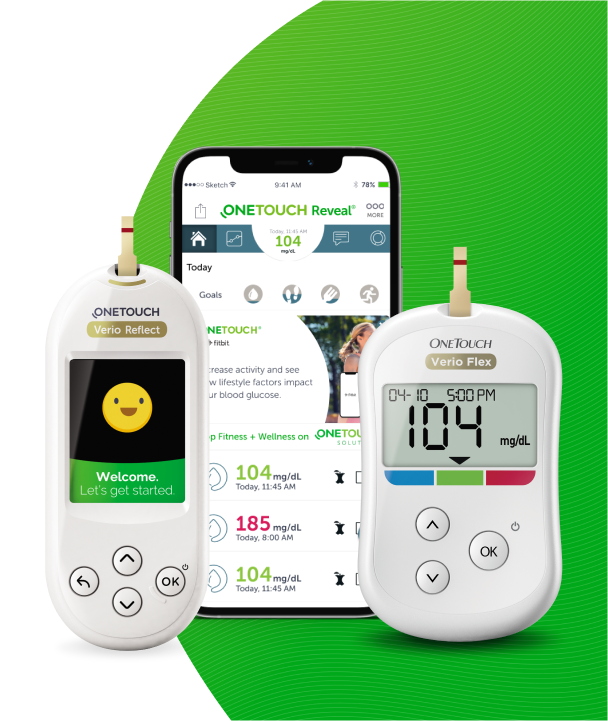
People on insulin typically are encouraged to test their blood sugar more often than people on oral medications, so it's important that you know how to use a blood glucose monitor. You also will be encouraged to learn "carb counting," so you can balance your dose of insulin with the amount of carbohydrates you eat. If you have never taken a diabetes education class, this is the time to take one. Even if you took a class in the past, it would be a good idea to take one again, as a refresher.

When you go on insulin, you absolutely have to know what you're doing. Giving yourself either too much or too little insulin can be very dangerous. Fortunately, with modern-day blood glucose monitors and carb counting, most people learn how to adjust their insulin dose very easily.

Watch out for hypoglycemia

Hypoglycemia (also called low blood sugar or an insulin reaction) happens when you take too much insulin, when you haven't had enough to eat, or when you exercise too much. Symptoms include dizziness, shakiness, being anxious, sweating and confusion. The cure is to take some fast-acting carbohydrates, such as a glass of orange juice, a regular soda (with sugar), a couple of crackers or some hard candy to bring your blood sugar back up. When you start taking insulin you should make a habit of carrying a roll of hard candy or another source of sugar with you at all times.

You can do it!

Even people who are very reluctant to start taking insulin quickly learn to make it part of their routine, no more traumatic than brushing their teeth. And when you see how much better you feel, you'll wonder why you ever hesitated!

Children with type 1 diabetes often begin giving themselves their own injections as early as age five or six. You can do this! It's not as bad as you think. And it is absolutely essential for the maintenance of your good health.

Lance Porter is the editor of "Diabetes Positive!" magazine and author of the book, "28 Days to Diabetes Control!"

All trademarks are the property of their respective owners. All information presented here is intended for your general knowledge only and is not a substitute for medical advice or treatment for specific medical conditions.