If you have type 2 diabetes, and it was diagnosed early, your doctor may have started you on a program of diet and exercise, which is the first line of defense.
If that first line of defense is no longer working, your doctor may add one or more oral diabetes medications to your program to help keep your blood sugar under control. This doesn't mean that you've done anything wrong. Type 2 diabetes is a progressive disease, and while diet and exercise may work for a time (and will always be important parts of your program), many people eventually need oral medications—and ultimately, insulin.
The transition from diet and exercise alone to oral medications is an important one. When you're making this change, you'll probably need to see your doctor more often than before. Different people react to different medications in different ways. Your doctor will likely want to see you often to fine-tune your medications and doses.
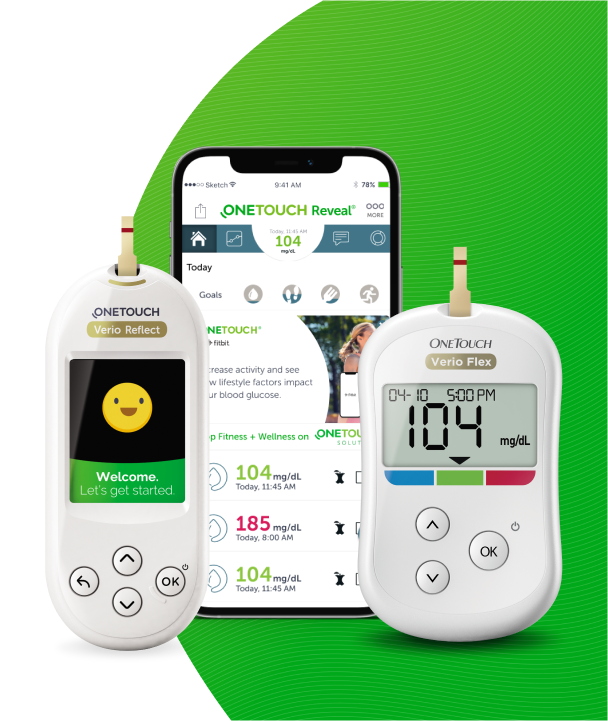
This may be the first time that your doctor asks you to monitor your blood glucose at home. Be sure to check your blood glucose on the schedule your doctor recommends, and bring records of your tests with you to your doctor visits. They will help your physician get your medications and dosages just right.
Your doctor uses a test called the "A1C" to monitor how well your diabetes is controlled. The A1C test shows how much sugar has been in your blood, on average, for the past 90 days. The American Diabetes Association recommends that you keep your A1C under 7.0. The American College of Endocrinology recommends that you keep it under 6.5. Studies prove that keeping your A1C low helps protect you from diabetes complications.
Your doctor knows it's time to start oral medications when diet and exercise no longer keep your daily blood glucose averages and A1C below the recommended levels.
Many people wonder if they can stop exercising once they start using oral diabetes medications. Exercise helps burn up blood sugar, and regular exercise is a key part of every diabetes program. Plus, exercise helps keep you healthy, maintain a good weight, decrease stress, keep blood glucose levels in range, and increase flexibility, endurance, balance and strength.
Similarly, you must also continue to watch your diet. Even after you begin drug treatment, lifestyle changes will continue to be an important part of your diabetes management.
Perhaps the most important change when adding oral medications to your diabetes management program is the need to be aware of hypoglycemia. Hypoglycemia—which is also called "low blood sugar" or "an insulin reaction"—can happen if the medicine or medicines you are taking stimulate your pancreas to make more insulin. If you don't eat enough, or exercise too much, this extra insulin can drive your blood sugar too low. Hypoglycemia symptoms include dizziness, shakiness, being anxious, sweating and confusion. The treatment is to take some fast-acting carbohydrates, such as a glass of orange juice, a regular soda (with sugar), a couple of crackers or some hard candy—to help bring your blood sugar back up. When you start taking oral medications that include the risk of hypoglycemia as a side effect, you should start carrying another source of glucose with you always.
Be sure to take your medications just as your doctor orders. If you also take other medications—for example, for hypertension or to lower your cholesterol—talk to the pharmacist about drug interactions. Buying a simple pill organizer at the drugstore can help keep your medications in order.
For most people, adding oral medications to their diet and exercise program goes smoothly. If you have any problems, let your doctor know. Today there are a wide variety of oral medications for your doctor to choose from. If your doctor's first prescription doesn't work for you, there is probably another one that will.
During a recent flight, the woman next to me began to have an episode of low blood sugar (hypoglycemia)—the first one she ever experienced. I called the flight attendant, who quickly brought her a can of orange juice. As my seatmate drank the juice and began to recover, she told me how she had become sick to her stomach the previous day. The morning of our flight, she skipped breakfast, and on the plane she ordered a diet soda. It turns out she was taking oral medications that stimulated her pancreas to secrete more insulin. It never caused her a problem before, but on this occasion she just hadn't had enough to eat. With no food in her stomach, the extra insulin drove her blood sugar too low. This is something you may have to watch out for when you add oral medications to your diabetes management program! (Note: Not all oral medications for type 2 diabetes can cause low blood sugar. Ask your doctor if the ones you're taking can.)