What to Do When You're Sick

Johns Hopkins Medicine

What to Do When You're Sick

When you have diabetes, you need to take special precautions

It's no fun being sick. But when you have diabetes, you need to take special precautions. When you're sick, it's just more difficult to maintain your blood glucose levels in your target range. Your body releases hormones that can raise your glucose levels and interfere with the blood sugar-lowering effects of insulin.

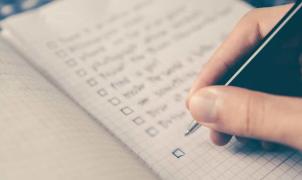
The key to dealing with your diabetes when you're sick is preparation. You should have already come up with a plan BEFORE you experience a sick day. Working with your diabetes educator or physician, develop a plan that includes how often to measure blood glucose and urine ketones, which over-the-counter medicines to take, what and how often to eat, and when to call your diabetes team. It's also helpful to put together a contacts list that includes daytime and evening phone numbers for your doctor, diabetes educator, and dietitian. (Color stationery can work best—so your list stands out in a jumble of papers!)

When are you sick enough to call the doctor?

You'll probably be able to see yourself through the "sniffles." But how do you know if you're really so sick that you should call your diabetes team? If you're experiencing any of the following symptoms, you need to contact your physician or diabetes professional:

  • Running a fever (more than 101 degrees for adult, 102 degrees for child) for more than one day.
  • Vomiting or having diarrhea for more than six hours.
  • Having large amounts of ketones in your urine.
  • Feeling sleepy or unable to think clearly.
  • Taking insulin for your diabetes and having blood glucose levels higher than 240 mg/dL despite giving yourself extra insulin.
  • Taking pills for your diabetes and having blood sugar levels higher than 240 mg/dL before meals for more than a day.
  • Developing chest pain, breathing difficulties, a dry and cracked tongue or other symptoms that might indicate diabetic ketoacidosis, dehydration or some other serious condition.

If you have any of these symptoms, be ready to tell your diabetes team what medicines you've taken and how much, how long you've been sick, whether you can eat and keep food down, and whether you've lost weight. You also need to know your temperature, blood glucose level, and urine ketone levels. To be well prepared, start keeping written records of all these things as soon as you become sick.

Monitor your diabetes

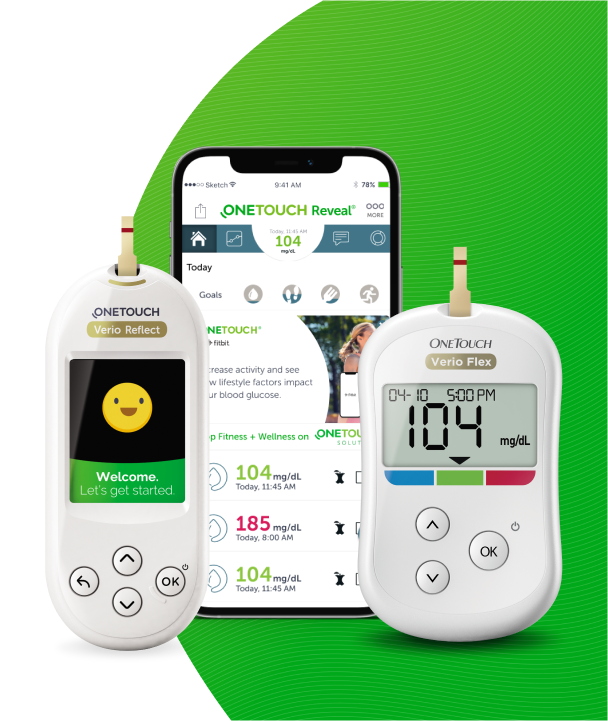
The key to dealing with your diabetes when you're sick is preparationNo matter what kind of diabetes you have, you should measure your blood glucose and urine ketones more often than usual when you are sick. If you have Type 1 diabetes, you may need to measure blood glucose and urine ketones every four hours. Measuring ketones is very important because these waste products are more likely to build up when you're sick, and they can lead to ketoacidosis. If you have Type 2 diabetes, checking blood glucose four times a day is probably sufficient. You might have to measure ketones only if your blood glucose is higher than 300 mg/dL, but check with your physician to be sure.

Keep using your medications

When you're sick, it is extremely important to continue your diabetes medications. Even if you're throwing up, don't stop taking your medicines. You need them because your body makes extra glucose when you're sick. When taking any over-the-counter medications, read the labels carefully. Cough syrup, for example, often contains alcohol or sugar, which can throw off your glucose levels even more. Key words to look for in the list of ingredients for any over-the-counter medication include: dextrose, glucose, fructose. These are all sugars. If in doubt about whether to take a particular medication, consult your pharmacist.

As a general rule, if you have Type 1 diabetes, you may need to take extra insulin to bring down your higher blood glucose levels while you're sick. If you have Type 2 diabetes and are using medications, you may be able just to keep taking your pills; or, if you are having trouble with control, you may need to use insulin for a short time. Check with your doctor or diabetes educator about whether to change the amount of insulin or pills you take.

Eat and drink

It's also very important to continue your normal meal plan. To make sure you don't get dehydrated, drink plenty of non-caloric liquids, such as water and diet soft drinks. These extra fluids can also help you get rid of the excess glucose in your blood.

If you can't force yourself to eat full meals, try to take in your normal number of calories by eating crackers, popsicles, soup or applesauce. If you can't keep down these foods, make sure you drink liquids that contain carbohydrates. As a rule of thumb, try to take in 50 grams of carbohydrates every four hours. These foods and liquids contain 10 to 15 grams of carbohydrates: 1 cup sports drink; ½ cup sugared soft drink; ½ cup fruit juice; 6 saltines; 3 graham crackers, and 1/3 cup frozen yogurt. (Check the Nutrition Facts label on the product to be sure.)

Don't forget prevention

Remember to get a flu shot every year and pneumonia shot every five years. Everyone gets sick, but if you plan ahead, take proper precautions and stay in touch with your diabetes team, you will get better, just like everyone else.

©(2005-2011), Johns Hopkins University and Johns Hopkins Health System Corporation. All rights reserved. All information presented here is intended for your general knowledge only and is not a substitute for medical advice or treatment for specific medical conditions. You should seek prompt medical care for any specific health issues and consult your physician before starting a new fitness regimen. Use of this information is subject to this disclaimer and the terms and conditions of this website. Johns Hopkins abides by the terms of the HONcode principles of the Health On the Net Foundation. The information presented here is compiled by Johns Hopkins University School of Medicine with editorial supervision by one or more members of the faculty of the School of Medicine pursuant to a license agreement with LifeScan under which the School of Medicine and faculty editors receive payment for services rendered within the scope of the license agreement.