
![]()
You wouldn’t think of taking an aerobics class without first fitting yourself with supportive shoes. Nor should you plunge into physical activity before consuming enough fuel to take you through your workout. Here’s how to equip your body with the energy it needs to get moving and stay moving.
“A good time to exercise is one hour to two hours after a meal, because physical activity lowers your postprandial (after eating) blood glucose levels,” says Johns Hopkins diabetes educator Christine McKinney. “If you exercise within this time period, you may not need to add any extra carbohydrate to prevent too much of a fall in your blood glucose.” But, if it’s been a while since you’ve eaten—three to four or longer—you may need to eat a snack with some carbohydrate before you get moving.
If you’re not sure whether you should eat something with carbs before getting active, consider testing your glucose level. “If it’s 60 mg/dL, 80 mg/dL or 100 mg/dL and you are on insulin, have a small snack first, like some orange juice,” advises Kerry Stewart, Ed.D., director of clinical exercise physiology at the Johns Hopkins School of Medicine.
The American Association of Diabetes Educators has developed the following guidelines for eating and exercise:
According to the American Diabetes Association (ADA), a carbohydrate snack is generally not necessary unless you take insulin, and not if you manage your diabetes with diet and medications only.
Remember to increase your fluid intake when you’re active. McKinney tells her patients to consume the ADA-recommended 17 ounces of fluid (about two glasses) two hours before physical activity and during exercise. She recommends drinking water “freely,” especially in warm weather. Dehydration can raise both your heart rate and blood glucose levels.
If you normally take insulin to control your diabetes, you may need to adjust the dosage before a workout. For instance, if you normally take insulin in the morning, you may need to cut back on the amount of insulin if you’ll be doing something unusually active, Stewart advises. Talk to your doctor or diabetes educator to learn how to make these adjustments.
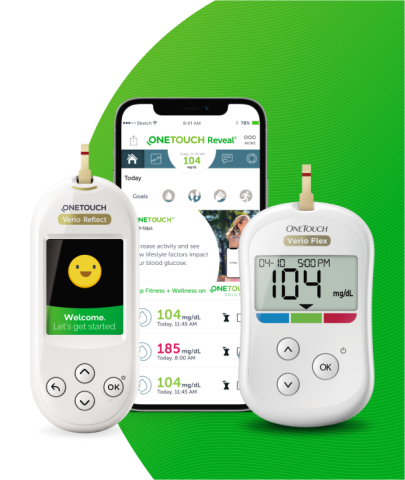
By regularly testing your blood glucose levels before, during (if possible) and after exercise, you will start to see patterns in how physical activity affects your glucose. You’ll also see if your blood glucose levels are too low for you to engage in physical activity without first eating something with carbs, or if they are too high.
“The inconvenience of testing before, during or after physical activity is a small price to pay for the gain you get from exercise,” Stewart says.
If you’re exercising hard or for a long time and you’ve taken insulin before working out, you risk developing low blood glucose, or hypoglycemia. Be sure to test during long runs or bicycle rides that last more than an hour.
Knowing the signs of hypoglycemia will help you realize whether you’re at risk. “You may feel shaky, sweaty or dizzy,” says McKinney. But it’s also possible that you won’t feel any symptoms, or that your typical hypoglycemic symptoms may change over time. “Six months later your symptoms could change to headaches or blurred vision. It’s very individual,” McKinney says.
There is also a condition called hypoglycemia unawareness in which you may not feel any symptoms at all until your glucose levels are very low. That’s why it’s so important to test and take quick action to raise your glucose if necessary.
Keep a readily digestible sugar source, like five to seven pieces of hard candy or six ounces of a sugared (not diet) drink, with you while you’re exercising in case you feel the symptoms of hypoglycemia. Glucose tablets, available over the counter in specific gram amounts, are small enough to carry and boost glucose levels quickly.
Here’s another tip for insulin users: don’t inject into the muscles that will be doing the most work (legs for running or cycling, arms for weightlifting), because your body will use it too quickly, which may lead to hypoglycemia.
High blood glucose (hyperglycemia) and physical activity is also a dangerous mix, notes Stewart. “When there’s a sugar overload, the body will burn fat when it’s active. This could lead to ketosis, a byproduct of fat metabolism, ” he explains. Symptoms of hyperglycemia may include weakness, dizziness, increased thirst, dry mouth, vomiting, frequent urination and stomach cramps.
The ADA recommends you avoid physical activity if you have type 1 diabetes, a fasting blood glucose level above 250 mg/dL, and a home urine test that shows the presence of moderate or high ketone levels; call your doctor at once if you get these results. The ADA urges caution when glucose is higher than 300 mg/dL even when no ketones are present. If you have type 2 diabetes, it’s fine to exercise if your glucose is higher than 300 mg/dL, but only if you feel good.
The beneficial effect of exercise on glucose control is well documented in numerous research studies. Knowing what to expect and dealing promptly with unexpected highs or lows in your glucose levels will keep you moving and reaping healthy benefits.