![]()
While the flu might be an uncomfortable nuisance for many people, it’s a different matter for people with diabetes. They’re six times more likely to be hospitalized and three times more likely to die with flu and pneumonia than flu sufferers who don’t have diabetes.
Here we show you why having diabetes increases your risk of flu and its complications, including pneumonia and what to do about it.
Why does having diabetes raise your risk of developing a more serious bout of the flu? Experts say there are several reasons. For one, some people with diabetes may have abnormalities in their immune function, make it harder to fight flu-related infections. And, to make matters worse, the same hormones released by the body to fight an infection also raise blood glucose levels.
Good prevention practices are your best defense against infection with the flu or pneumonia—and the common cold. Preventive measures include everyday health strategies like regular hand-washing and a healthy diet that emphasizes foods like whole grains, fruits and vegetables, especially those rich in antioxidants, says Christine McKinney, M.S., R.D., a diabetes educator at Johns Hopkins. Plant-based foods, especially bright colored fruits (blackberries, blueberries, cranberries), vegetables (artichokes, russet potatoes) and legumes (red kidney beans) are rich in antioxidants. Aim for a varied palette of these foods.
Getting a flu shot also goes a long way to reduce the risk and damage of flu and related complications. Researchers have found that during flu epidemics, getting a flu shot reduces diabetes-related hospital admissions by almost 80 percent. Vaccination to protect against pneumonia is just as important because having diabetes also increases the risk of developing and dying from pneumonia.
The American Diabetes Association (ADA) urges all people with diabetes (except infants younger than six months) to get an annual flu shot. The ADA also recommends that adults with diabetes get the pneumonia vaccine at least once. However, if you’re older than 64 and originally got the pneumonia vaccine more than five years ago, you should return for a one-time revaccination, advises the ADA. People with complications of diabetes that weaken the immune system also need repeat vaccinations. Ask your doctor what’s right for you.
When you’re sick, controlling your diabetes is more challenging than usual. For one thing, the hormones that fight infection flood your body, causing changes in glucose levels. Follow these guidelines when you’re sick: Monitor your blood glucose and urine ketones more closely than usual. Ketones may build up when you’re sick and, lead to ketoacidosis if you have type 1 diabetes. Continue taking your usual diabetes medications, even if you’re vomiting. If you take insulin, be prepared to take additional insulin while you’re sick to control glucose levels. (However, don’t take extra insulin unless you know your blood glucose level).If you have Type 2 diabetes and are having difficulty with glucose control, you may have to use insulin while you’re sick.
For more information on diabetes care when you’re sick, including when to call the doctor, see “What to Do When You’re Sick.”
Whether you have the cold or flu (see “Is It a Cold or the Flu?”), the last thing you want to do is take medicine that will cause your blood glucose levels to rise. Many OTC cough medicines contain sugar or alcohol, which can affect glucose levels. To avoid sugar- and alcohol-laden OTC medicines, choose pills over liquids, suggests Frederick Brancati, M.D., director of the division of general internal medicine at Johns Hopkins. He also recommends using Tylenol® or another non-steroidal anti-inflammatory drug for fever and aches, and oral decongestants and saline nasal spray for nasal congestion.
Most OTC medicines are intended to relieve symptoms, not to cure the cold or flu. New guidelines by The American College of Chest Physicians state that OTC cough expectorants and suppressants do not treat the underlying cause of cough. They recommend older types of antihistamines (like chlorpheniramine and brompheniramine) with a decongestant, to reduce cough.
Flu symptoms should never be taken lightly. Consult with your doctor at the first sign of fever and aches.
Have a sick-day plan. Ask your doctor how to manage your diabetes while you’re sick. A sick-day plan usually includes certain liquids, easy-to-eat foods and a schedule of frequent blood glucose checks.
Get your shots. Get an annual flu shot early in the flu season (but late is better than never). Encourage family members to do the same. Make sure you’ve had a pneumonia vaccine and check with your doctor to see if or when you’ll need to repeat it.
Stick to your healthy diet. Eating nutrient-rich foods that boost your immune system can protect you against the flu and other infections. Stay hydrated by drinking plenty of caffeine-free, sugar-free beverages.
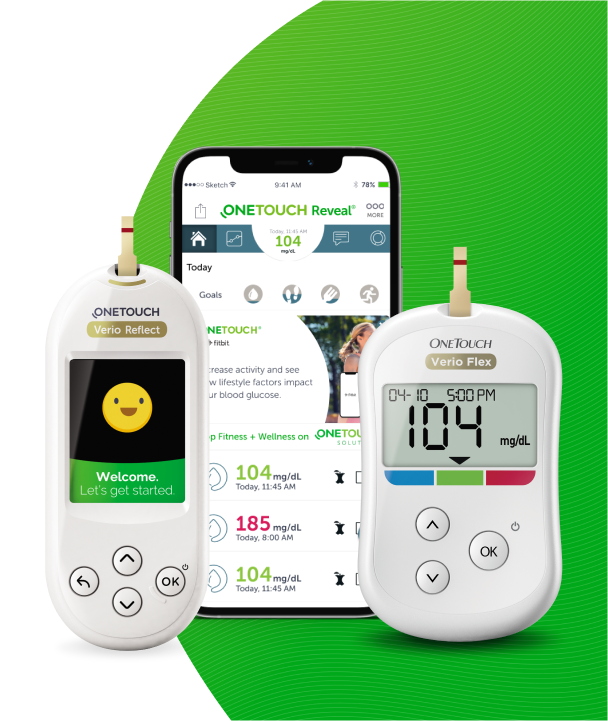
Monitor your diabetes. Check your blood glucose level more often. If levels go above 240 mg/dL, check for urine ketones.
Use medicines with caution. Avoid OTC cough and cold medicines that contain sugar and alcohol. Look for sugar-free substitutes, and choose pills over liquids.
Symptoms |
Cold |
Flu |
|
Fever |
Rare |
Usual; high (100°-102°F; occasionally higher, especially in young children); lasts 3-4 days |
|
Headache |
Rare |
Common |
|
General aches, pains |
Slight |
Usual; often severe |
|
Fatigue, weakness |
Sometimes |
Usual; can last up to 2-3 weeks |
|
Extreme exhaustion |
Never |
Usual; at the beginning of the illness |
|
Stuffy nose |
Common |
Sometimes |
|
Sneezing |
Usual |
Sometimes |
|
Sore throat |
Common |
Sometimes |
|
Chest discomfort, cough |
Mild to moderate; hacking cough |
Common; can become severe |
|
Treatment |
Antihistamines |
Antiviral medicines—see your doctor |
|
Prevention |
Wash your hands often |
Annual vaccination; antiviral medicines—see your doctor |
|
Complications |
Sinus congestion |
Bronchitis, pneumonia; can be life threatening |
Source: National Institute of Allergy and Infectious Diseases