The 7 Healthy Behaviors

The 7 Healthy Behaviors

AADE designs list to help improve how your diabetes educator cares for you

Managing your diabetes is a lot of work, and requires a lot of knowledge and skills in order to manage it. Oftentimes, the person we look to for guidance is our diabetes educator. But, in a 15-minute visit, are you really learning all that you need to know from her or him?

In an effort to assist your diabetes educator in giving you the skills and knowledge that you need to effectively manage your diabetes, the American Association of Diabetes Educators (AADE), has developed the AADE7 Self-Care Behaviors™. The AADE7™ is designed to help diabetes educators help you identify barriers to good diabetes control, facilitate problem solving, develop coping skills and achieve effective self-care.

What helps your diabetes educator can also help you! So here we’ve summarized these common-sense guidelines so you and your DE can better incorporate them into your life.

1. Healthy eating
Making healthy food choices, understanding portion sizes and learning the best times to eat are paramount when it comes to managing your diabetes. The AADE states that diabetes-education classes can help you gain knowledge about the effect of food on blood glucose, sources of carbohydrates and fat, appropriate meal planning and resources to assist you in making food choices. Skills include:

  • Reading labels
  • Planning and preparing meals
  • Measuring foods for portion control
  • Fat control
  • Carbohydrate counting
The AADE7 is designed to help diabetes educators help you identify barriers to good diabetes control, facilitate problem solving, develop coping skills and achieve effective self-care.

2. Being active
Most people at risk for developing Type 2 diabetes might not know that exercise can reduce this risk. In addition, exercise is a great way to improve blood glucose control and can:

  • Improve body mass index
  • Enhance weight loss
  • Help control lipids and blood pressure
  • Reduce stress

The AADE stresses that patients and their diabetes educators collaborate to address barriers to being active (e.g., physical, environmental, psychological and time limitations). They should also collaborate to develop an appropriate activity plan that balances food and medication with the activity level.

3. Monitoring
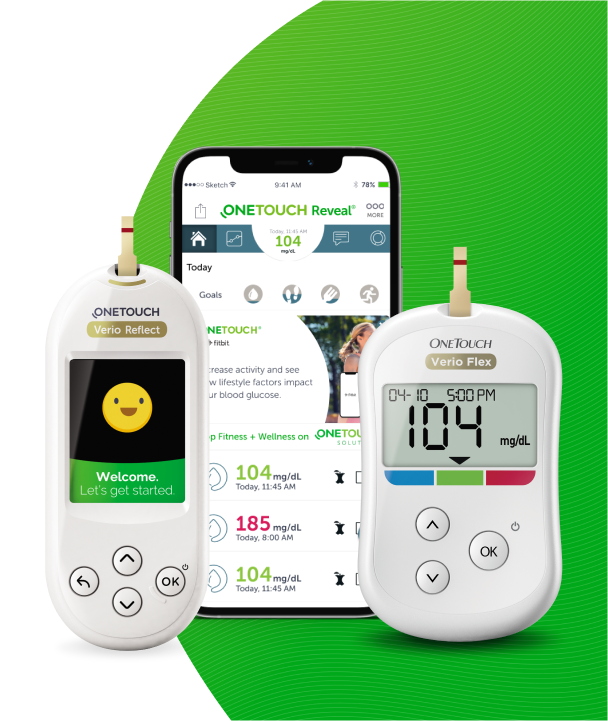
Daily self-monitoring of blood glucose provides you with the information you need to assess how food, physical activity and medications affect your blood glucose levels. People with diabetes also need to regularly check their blood pressure and weight. Diabetes-education classes instruct patients about equipment choice and selection, timing and frequency of testing, target values, and interpretation and use of results.

4. Taking medication
Your diabetes educator can also determine which medications you should be taking and help you understand how they work. They can also offer important services like demonstrating how to inject insulin; explaining how diabetes pills work; when to take medications; side effects; efficacy; toxicity; prescribed dosage; appropriate timing and frequency of administration; effect of missed and delayed doses; instructions for storage; and travel and safety.

5. Problem solving
These skills come in handy because, on any given day, a high or low blood glucose or a sick day will require you to make rapid, informed decisions about food, activity and medications. Diabetes educators should address barriers with you, such as physical, emotional, cognitive and financial obstacles, and develop coping strategies.

6. Reducing risks
You also need to know about risk-reduction behaviors such as smoking cessation, as well as the importance of regular eye, foot and dental examinations. Diabetes educators can assist you in gaining knowledge about standards of care, therapeutic goals and preventive-care services to decrease your risk of complications.

7. Healthy coping
Whether we believe it or not, psychological and social factors can also affect your health and diabetes control. The AADE says that psychological distress directly affects health and indirectly influences a person’s motivation to keep their diabetes in control. Coping with having a 24/7 disease can become difficult, and your self-care can begin to get worse as well. Diabetes educators should work to identify your motivation to change behavior, then help set achievable, behavioral goals and guide you through multiple obstacles. They’ll encourage you to talk about your concerns and fears, help you to learn what you can control, and offer ways to cope with what you cannot control.

Daniel Trecroci wrote this article when he worked as a Consumer Health Writer for LifeScan, Inc.